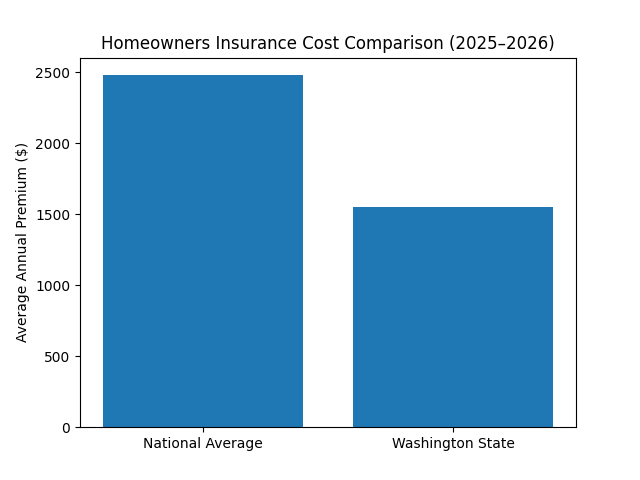
Homeowners Insurance in Washington State:
What It Covers and Why It Matters
For most people, buying a home is the biggest financial decision they will ever make. It’s where families grow, memories are made, and life happens. But while homeowners spend years paying for their homes, many still aren’t fully sure what their homeowner’s insurance actually does.
Understanding how a homeowners policy works can help you protect not only your house, but also your finances and peace of mind.
Let’s break it down in simple terms.
What Is Homeowners Insurance?
Homeowners' insurance is designed to protect you financially if something unexpected happens to your home or your belongings.
Think of it as a safety net.
If your home is damaged by things like fire, storms, theft, or accidents on your property, your insurance policy can help pay for repairs, replacement, or other related costs.
While homeowners' insurance is not legally required in Washington State, most mortgage lenders require it. That’s because the lender also has a financial stake in your home until the loan is paid off.
Without insurance, homeowners may have to pay tens or even hundreds of thousands of dollars out of pocket if disaster strikes.
What Does Homeowners Insurance Actually Cover?
A typical homeowners policy protects several important areas of your home life.
1. The Structure of Your Home (Dwelling Coverage)
This is the core part of most homeowners' policies. It protects the physical structure of your home, including things like:
- Roof
- Walls
- Foundation
- Attached garage
- Built-in structures
If your home is damaged by a covered event like a fire, strong winds, or pipe burst, this coverage helps pay to repair or rebuild it.
Yes, a standard homeowners insurance policy typically covers water damage from a sudden pipe burst, as long as the incident is classified as "sudden and accidental."
This falls under the common "sudden and accidental" water damage provision in most HO-3 (or similar) policies, which is the most common type of homeowners coverage.
This is the most common claim
2. Other Structures on Your Property
Many homes have structures that are separate from the main house.
Homeowners insurance can often help cover things like:
- Detached garages
- Fences
- Storage sheds
- Guest houses
- Landscaping
- Driveways
If these structures are damaged by a covered event, the policy may help pay for repairs.
3. Your Personal Belongings
Did you know that your Personal Property is covered no matter where you are?
Your home isn’t just the building itself. It’s also everything inside it.
Personal property coverage can help replace or repair items such as:
- Furniture
- Electronics
- Appliances
- Clothing
If these items are stolen or damaged by something like a fire or burglary, your policy may help cover the cost of replacing them.
Accidents can happen anywhere — even at home.
Liability protection helps if someone gets injured on your property. For example, if a guest slips on your walkway or your dog accidentally injures someone, this coverage may help pay for:
- Medical bills
- Legal expenses
- Settlements or court costs
This protection can be incredibly important because lawsuits and medical costs can be added quickly.
5. Temporary Living Expenses
Sometimes a home becomes temporarily unlivable after a major incident like a fire or severe storm.
If that happens, many homeowners' policies include coverage for temporary living expenses, such as:
- Hotel stays
- Rental housing
- Meals
Other necessary costs while your home is being repaired
This helps families maintain some normalcy during a stressful time.
What Homeowners Insurance Usually Doesn’t Cover
While homeowners' insurance protects against many common risks, some events typically require separate coverage.
Standard policies usually do not cover:
- Flood damage
- Earthquake damage
- Sewer backups
- Gradual wear and tear
Depending on where you live, additional policies or coverage options may be available for these risks.
Why Some Homeowners Choose Not to Carry Insurance
Even though homeowners insurance offers valuable protection, some people decide not to purchase it.
Here are a few common reasons.
Their Home Is Fully Paid Off
Once a mortgage is paid off, lenders no longer require homeowners insurance. Some homeowners decide to take the risk and go without it.
Insurance premiums can increase over time due to rising construction costs, inflation, and severe weather events.
Some homeowners believe major disasters are unlikely to happen to them.
Unfortunately, unexpected events like fires, storms, or accidents can happen at any time.
Limited Insurance Options in Certain Areas
In regions that face higher natural disaster risks, such as wildfires, insurance options can sometimes become more limited or expensive.
Why Homeowners Insurance Is Still Worth It
One unexpected event can create financial damage that lasts for years.
A house fire, severe storm, or liability claim could cost
far more than most families could comfortably afford out of pocket.
Homeowners insurance helps provide:
✔ Financial protection
✔ Stability during unexpected situations
✔ Peace of mind for homeowners and families
In short, it helps protect both
your home and your financial future.
Protecting Your Home Starts With the Right Coverage
Your home is more than just a building. It’s where your life happens.
Homeowners insurance helps protect the place where your family lives, along with the things that matter most inside it.
A typical homeowners policy may help cover:
✔ The structure of your home
✔ Detached structures like garages and fences
✔ Personal belongings
✔ Liability protection if someone is injured on your property
✔ Temporary housing after a covered loss
Many homeowners are surprised to learn how much protection a policy can provide for a relatively reasonable cost.
Why Many Homeowners Work With Independent Insurance Agencies
Finding the right homeowners policy isn’t always as simple as choosing the first option you see.
An independent insurance agency can help you compare policies from multiple insurance companies to find coverage that fits your needs and budget.
Instead of being limited to just one company, you gain access to several coverage options and pricing choices.
That flexibility can make it easier to find the right balance between protection and affordability.
When Was the Last Time You Reviewed Your Home Insurance?
If you own a home in Washington, reviewing your coverage regularly is one of the best ways to protect your investment.
A quick policy review can help you:
- Make sure your home is properly insured
- Identify potential coverage gaps
- Explore opportunities to save on premiums
If you’re unsure about your current coverage, it may be worth taking a closer look.
Your home deserves the protection it was built for.
Contact our team today to request a free homeowners insurance review and personalized quote.